Application of High-Speed Die-Cutting Machines for Cardboard Box Standardization
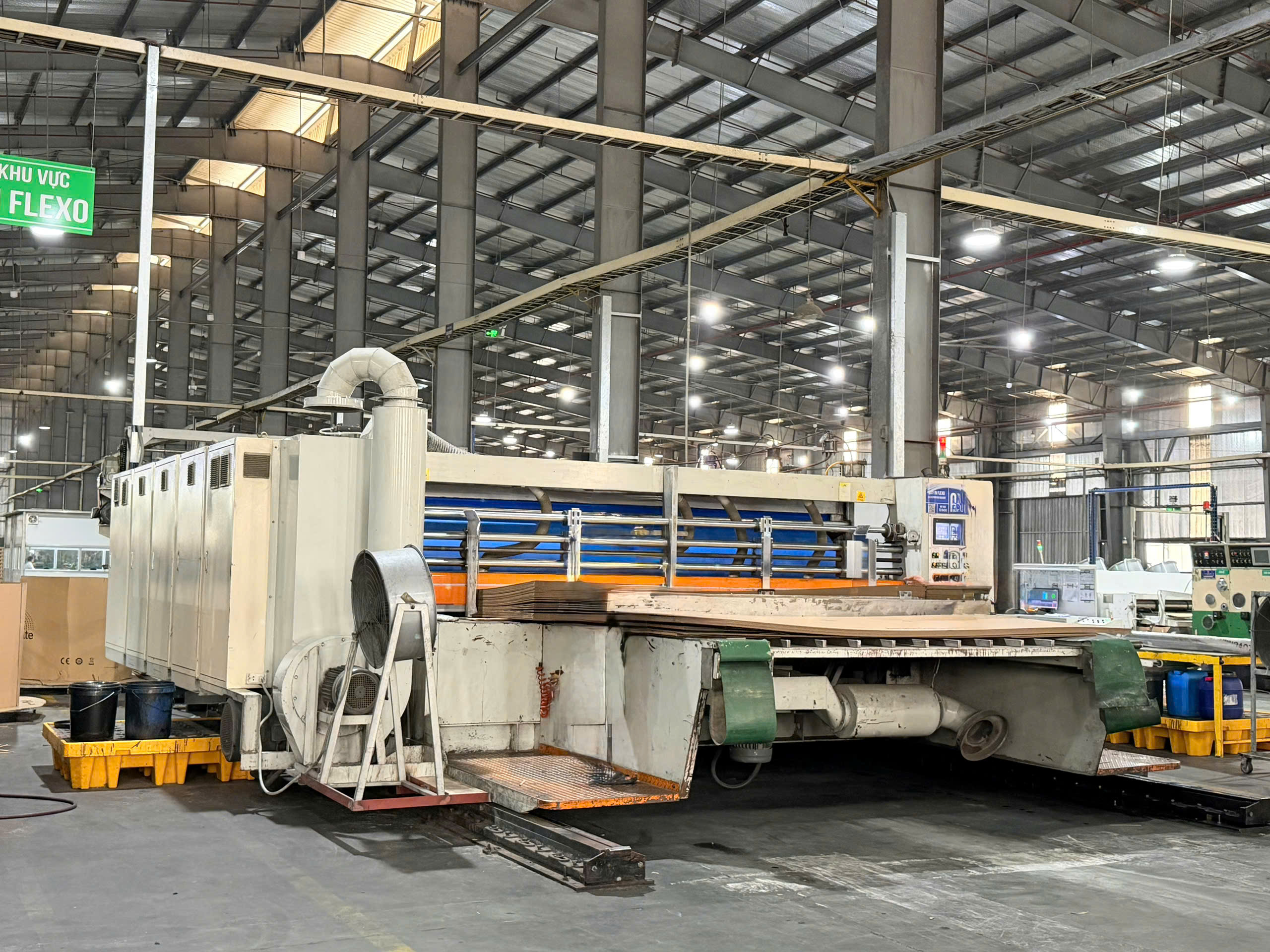
High-speed automatic flatbed and rotary die-cutting technology is the key to securing absolute dimensional precision for corrugated packaging, satisfying the stringent requirements of B2B assembly lines.
1. Automatic Flatbed Die-Cutters and Their Importance
Die-cutting is the process of stamping cardboard blanks into custom shapes, punching slots, or creating handholes. Compared to older manual or cylinder presses, automatic flatbed die-cutters offer significant benefits:
-
Exceptional Precision: Utilizing gripper bar registering systems and photoelectric sensors, the machine aligns cardboard sheets within fractions of a millimeter before the cutting die strikes.
-
High-Speed Productivity: Reaches processing speeds of 4,500 to 6,000 sheets per hour, easily handling bulk packaging orders for consumer electronics and food manufacturers.
-
Automatic Waste Stripping: Mechanical pins automatically strip away paperboard waste on the fly, delivering clean, debris-free die-cut blanks ready for the folder-gluer stage.
2. Standardizing Cardboard Dimensions for Automated Case Packers
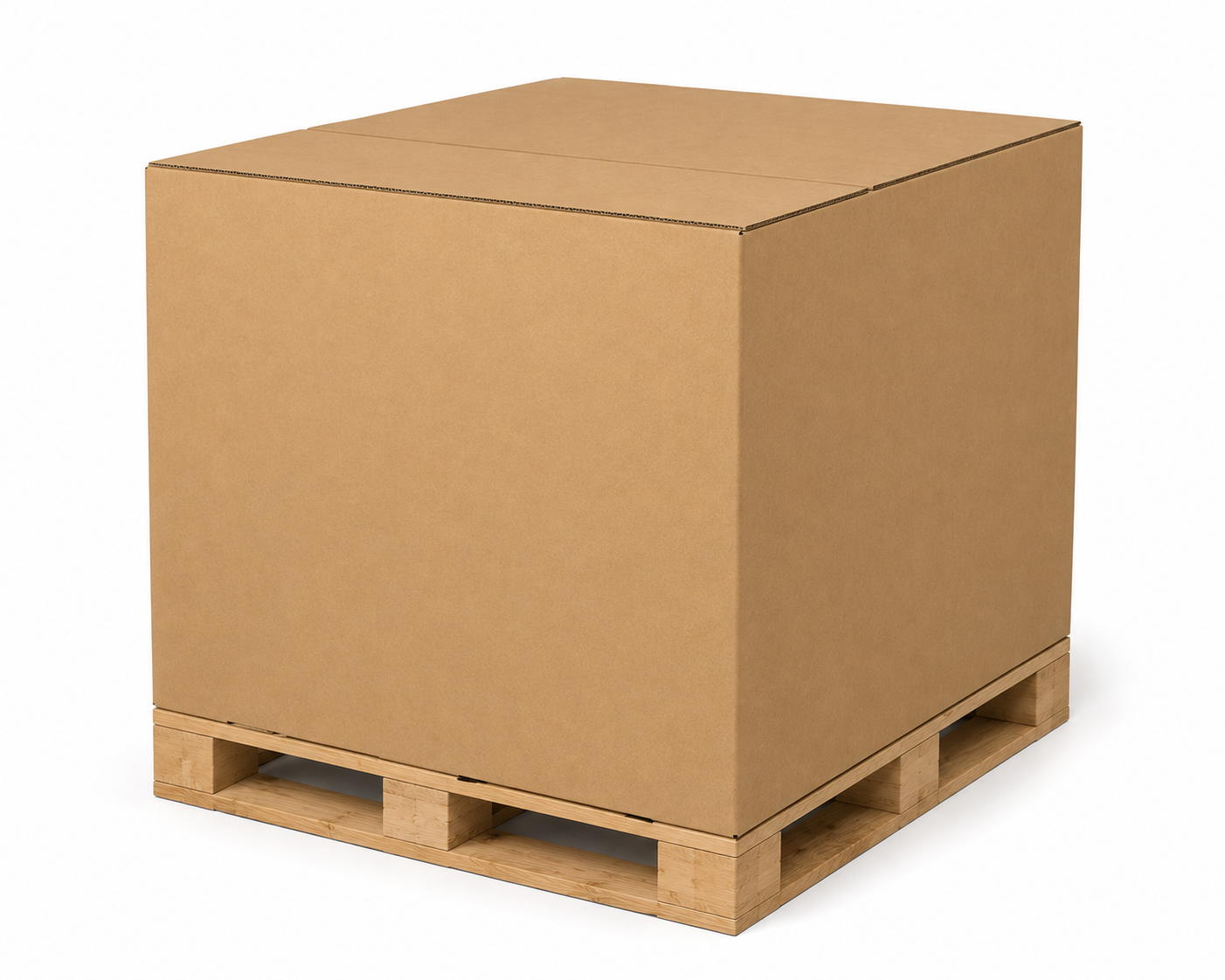
FDI partners and global brands employ automated case packers on their packaging lines, which demand 100% dimensional consistency:
-
Preventing Machine Jams: Any dimensional variance exceeding 1-2mm or skewed fold lines can cause packing robots to halt, disrupting production output.
-
Optimizing Stackability: Perfectly dimensioned boxes ensure that edge crush test (ECT) forces are distributed evenly across corners, preventing warehouse stack collapses.
3. Precision Engineering and Quality Auditing at Tien Thanh A&E
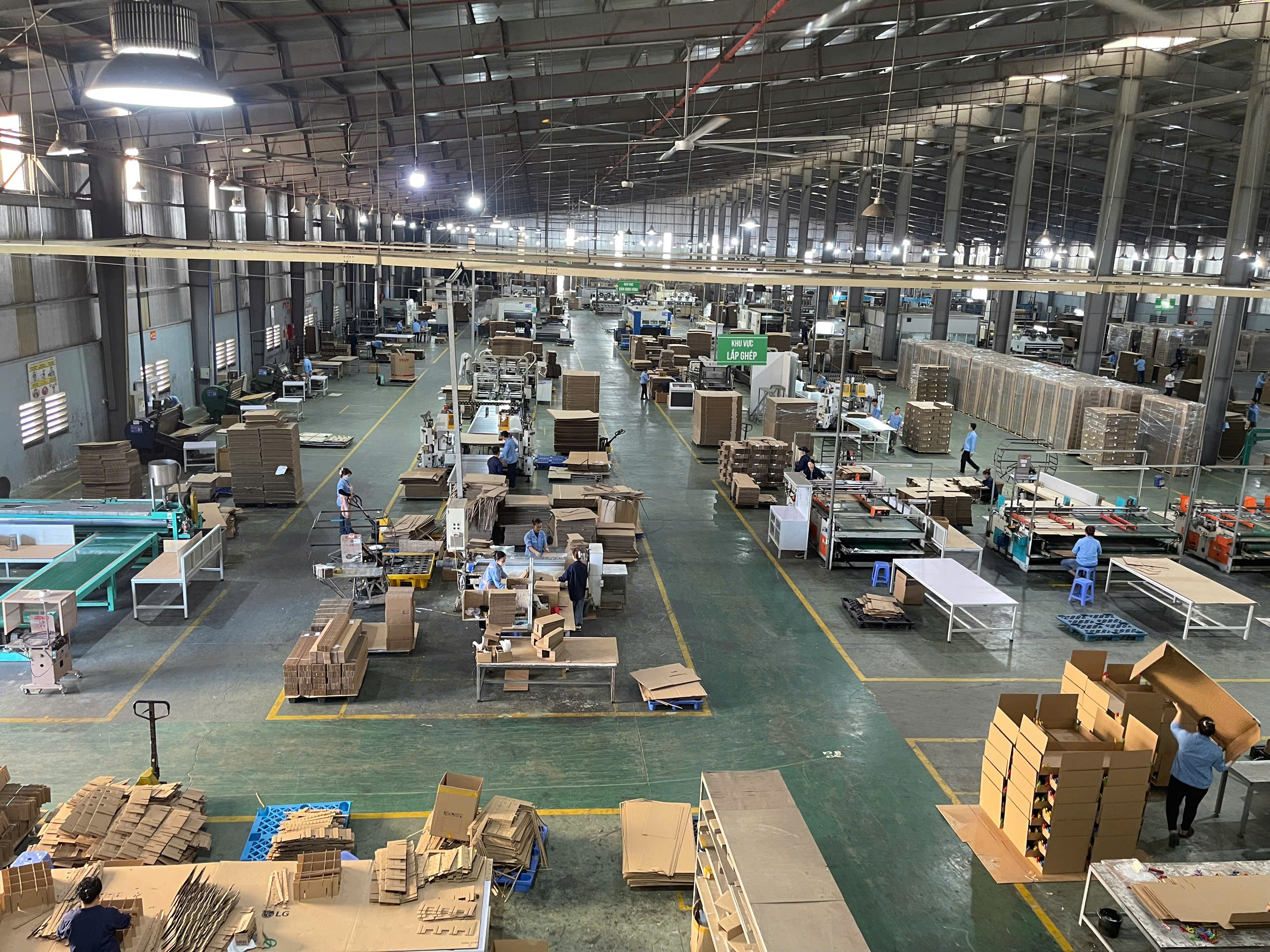
Inside Tien Thanh A&E's smart manufacturing facility, die-cutting runs under rigid quality controls:
-
CNC-Lasered Tooling: Plywood die boards and steel rules are fabricated via CNC lasers directly from CAD files, preserving profile integrity.
-
Poka-Yoke Anti-Error Sensors: Sensors halt the machine instantly if sheets are misaligned, eliminating bulk defect risks and maintaining waste ratios below 0.5%.
---